
The Leadership Lounge
Developing the Whole Person: Why Leadership Development Must Go Deeper in Uncertain Times


Khalid Asad, Ph.D., PCC, Business Psychologist, Executive Coach
In today’s environment of rapid change, economic volatility, workforce fatigue, and growing complexity, organizations are asking more of their leaders than ever before. Leaders are expected to navigate uncertainty, make high-stakes decisions, manage competing priorities, and support their teams' well-being, all while maintaining strategic clarity and emotional composure. Traditional leadership development, which often focuses on competencies and technical skills, is no longer enough. What leaders need now is a more integrated approach: Whole-Person Leadership Development.
Whole-Person Leadership Development starts with a simple but powerful idea: leaders are people first. Leadership is not just a title or position; it is a set of life skills that individuals apply across professional, personal, and community contexts. Every leader brings a lifetime of experiences, lessons learned, and personal conditioning to their ...
Coaching Leaders on Strengthening Their Tolerance for Uncertainty


Khalid Asad, Ph.D., PCC, Business Psychologist, Executive Coach
One way coaches can help leadership clients strengthen their uncertainty tolerance is by building their capacity to lead from clarity of purpose, i.e., mission-driven rather than striving for clarity amid ever-changing conditions.
In volatile environments, waiting for full information creates stress, decision paralysis, and bottlenecks. So, work with leaders to differentiate between what is uncertain and what is non-negotiable: their values, mission, leadership principles, and decision criteria. When those anchors are clear, they can move forward decisively even when outcomes aren’t guaranteed.
In practice, this may look like:
- Coaching leaders to make the “next best decision” instead of perfect decisions
- Building scenario thinking into the coaching sessions
- Focusing on strengthening emotional regulation so they don’t transfer anxiety to their teams
- Helping them normalize adaptive learning over certainty-seeki ...
Leadership Requires Balance: Results and Relationships

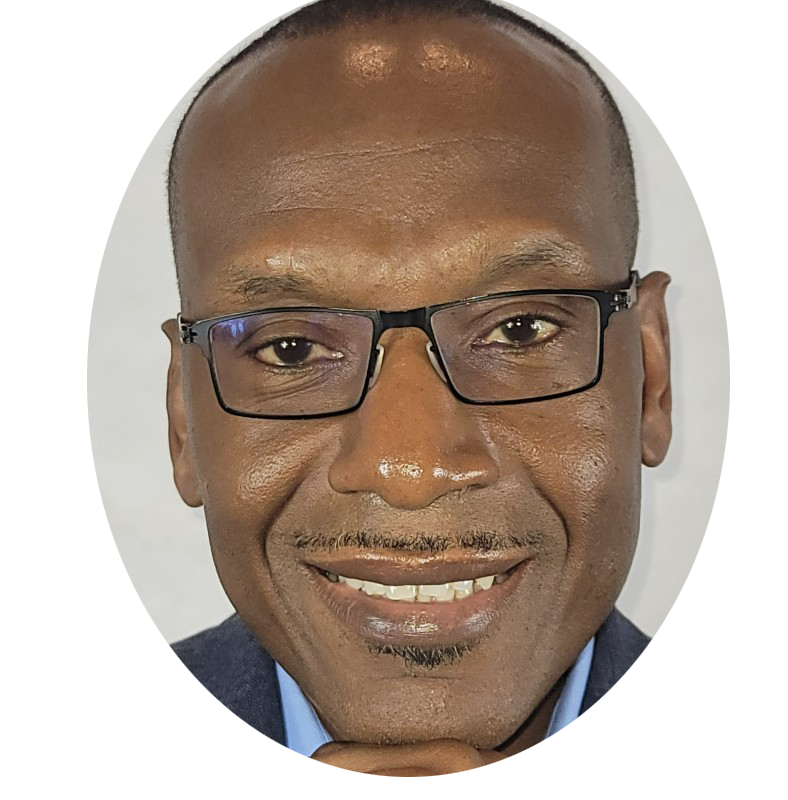
Khalid Asad, PhD, Executive Coach, Author
Leadership is not about choosing between results and relationships. It’s about embracing the balance between the two.
Too often, we see leaders tip to one side of the scale. Some become so focused on outcomes that they forget the people who make those outcomes possible. Others are so relational that accountability and performance take a back seat. Neither extreme reflects developed leadership.
At Performance Plus International (PPI), we see this balance as essential. In fact, during a recent interview for a support role, one candidate spoke confidently about managing tasks and producing results. While she appeared effective in handling outcomes, what didn’t come across was her capacity to connect, relate, and be relatable. That missing balance matters.
Why? Because being relational is one of the core domains of developed leadership. It doesn’t mean being overly friendly or casual. It means:
-
Connecting: valuing people’s perspectives a...
Leading in a Post-DEI World: Embracing Inclusive Leadership Beyond Policies


Khalid Asad, Author, Executive Coach
As conversations around diversity, equity, and inclusion (DEI) shift in the wake of policy changes at the federal level, leaders must reassess their approach to creating inclusive environments. The dismantling of formal DEI initiatives does not mean the end of the journey toward equitable workplaces—it simply requires a new strategy rooted in intentional, values-driven leadership.
A World Beyond Mandates
The federal rollback of DEI policies may challenge organizational frameworks, but it cannot erase the lived experiences of diverse employees or their need to belong, be valued, contribute, and make a difference while being treated equitably. In fact, this moment provides an opportunity for leaders to demonstrate commitment to inclusion as a core organizational value—not just a compliance measure.
Key Strategies for Post-DEI Leadership
- Reaffirm Your Values
Leaders must make clear, unequivocal statements about their commitment to fosterin ...
Investing in Your Leadership Development: A Path to Lasting Impact


Khalid Asad, Executive Coach
In today’s fast-paced, ever-evolving world, effective leadership isn’t just about managing tasks or meeting deadlines—it's about inspiring, guiding, and empowering others to achieve their full potential. Yet, becoming an impactful leader doesn’t happen overnight. It requires continuous growth, reflection, and a commitment to personal and professional development.
Why Invest in Your Leadership Development?
-
Adaptability: The world is changing rapidly, and so are the challenges we face as leaders. By investing in your development, you equip yourself with the tools and skills needed to navigate these changes with confidence.
-
Building Stronger Relationships: Leadership is rooted in relationships. Whether you're leading a team or an entire organization, the ability to connect, communicate, and inspire trust is crucial. Development opportunities like coaching, workshops, and mentoring can significantly enhance your interpersonal skills.
-
Driving ...
Managing the Mandate for Employees to Return to the Office Post-Pandemic


Author
Khalid Asad, Executive Coach
As the world navigates the aftermath of the pandemic, leaders face the challenging task of mandating a full return to the office. With no hybrid options available and employee dissatisfaction on the rise, it's crucial for leaders to manage this transition with empathy, transparency, and strategic planning. Here’s how leaders can navigate this difficult situation effectively.
1. Communicate Clearly and Transparently
Clear and honest communication is essential in addressing employees' concerns and explaining the necessity of the return-to-office mandate.
- Explain the Why: Clearly articulate the business reasons behind the decision, such as operational needs, client demands, or legal requirements that necessitate in-office presence.
- Open Dialogue: Foster an environment where employees feel heard by holding town halls, Q&A sessions, and one-on-one meetings to address their concerns and suggestions.
2. Prioritize Health and Safety
Ensuring em...
The Death of Meetings: Embracing a New Era of Productivity


Author
Konovia D. Mikeal, COO, MBA, Small Development Business Coach
Meetings: love them or hate them, they've been a staple of the workplace for decades. But as our work culture evolves, it's time to rethink how we gather and communicate. Enter the era of the Death of Meetings—where problem-solving convenings take center stage, and routine updates go asynchronous.
Rethinking Meetings: Quality Over Quantity
Traditional meetings often fall into the trap of being frequent, long, and, let's face it, sometimes unnecessary. The new paradigm shifts the focus from regular, mundane check-ins to purpose-driven gatherings that are directly connected to achieving the organization's goals.
-
Problem-Solving Convenings: Meetings are reserved for addressing specific challenges, brainstorming solutions, and making strategic decisions. These sessions might last longer, but their infrequency means they are highly productive and impactful.
-
Goal-Oriented Discussions: Every meeting has a c
...
Embracing the Future of Work: The Organic Organization


Author
Khalid Asad, CEO, PCC
Several years ago, I proposed the idea of an unconventional leadership structure to a potential client. I suggested they adopt the concept or approach of an Organic Organization, one in which leadership is not confined to a title or position but is a shared responsibility embraced by all employees. The client pretty much fired me by not calling back. I reached out a few times with no success.
Welcome to the concept of an Organic Organization. In today's rapidly evolving world, the traditional hierarchical structure of organizations is being challenged. I believe the time is right to shift to an Organic leadership model.
What is an Organic Organization?
An Organic Organization operates without formal leadership. Instead, leadership emerges naturally based on projects or initiatives. Decisions are made by those who are actively engaged in the work, ensuring that the people who know the job best are the ones steering the ship - a bottom up approach. Th...
Why Facilitative Leadership is the Future of Workplace Success


Author
Khalid Asad, CEO, PCC
In an era marked by rapid change and increasing complexity, leaders cannot afford to be the only "expert" in the room. In fact, great leaders are not always the experts - they know how to create spaces for unleashing the expertise of others. Facilitative leadership, with its emphasis on enabling others, not only enhances team productivity but also cultivates a culture of involvement and innovation. This article explores the myriad benefits of facilitative leadership and why it could be the key to unlocking unprecedented organizational success.
Enhances Team Collaboration
Facilitative leaders excel in creating an environment where team members feel comfortable sharing ideas and opinions. By focusing on open communication and mutual respect, these leaders encourage a collaborative spirit. This not only improves the quality of decisions through diverse inputs but also strengthens the bonds between team members, leading to a more cohesive and supportive ...
Unleashing Creativity: How Embracing Your Inner Child Can Transform Your Leadership


Author,
Khalid Asad, CEO, PCC
As a child, I would sit down with my toys and create a world filled with adventure and imagination. As a leader, I had to reclaim my imaginative spirit to be successful. Creativity in leadership is often what sets great leaders apart from others. Yet, as professionals climb the corporate ladder, the pressures and responsibilities can stifle the creative instincts that spur innovation and problem-solving. One powerful way to reclaim this creativity is by reconnecting with our inner child. Embracing the qualities of curiosity, playfulness, and wonder can unlock a wealth of creative potential in leaders, fostering a dynamic, innovative environment that drives organizational success. Here are ways to reclaim your imaginative spirit, foster creativity, and lead innovation within your team.
Cultivating Curiosity
Children are naturally curious, always questioning and eager to understand the world around them. When leaders adopt this trait, they open themsel...